 Reviews

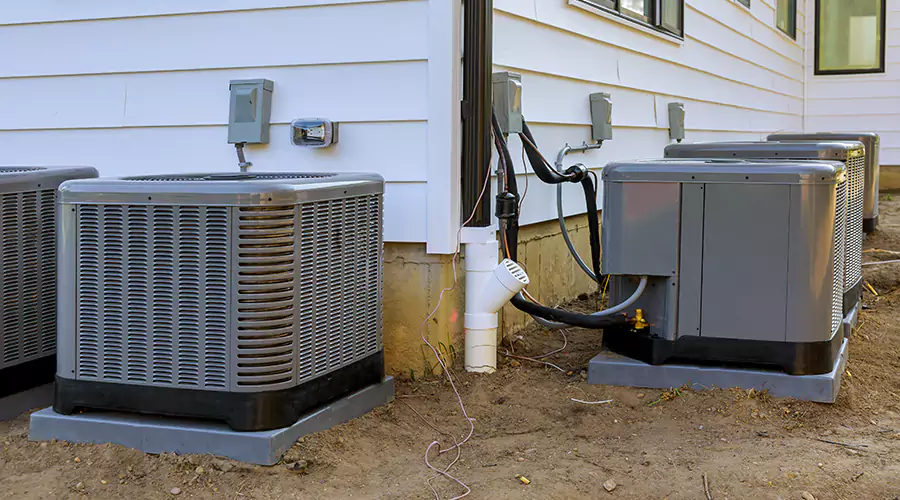
The seer2 rating shows how efficiently an air conditioner or heat pump uses energy during cooling. A higher rating means the system can deliver the same cooling while using less electricity. This can help reduce energy use and improve comfort over time. SEER2 uses updated testing standards that better reflect real operating conditions. When comparing systems, the rating helps you understand long term performance rather than just upfront cost. The best choice depends on your home size and climate and usage habits. Understanding seer2 HVAC ratings helps you choose equipment that balances efficiency and comfort and operating cost.
What SEER2 Means?
SEER2 measures how much cooling a system provides compared to the energy it uses. It reflects updated testing methods that better match real conditions. This rating helps homeowners compare system performance more accurately.
How SEER2 Measures Cooling Efficiency?
SEER2 explained means calculating cooling output over a season divided by energy use. Higher ratings indicate better efficiency under standard conditions. This allows easier comparison between systems.
Why SEER2 Replaced Older Ratings?
Testing standards were updated to reflect real world performance. Older ratings did not account for modern system conditions. SEER2 provides more accurate data.
How New Standards Improve Accuracy?
The difference between seer vs seer2 comes from updated testing pressure and airflow conditions. These changes provide a more realistic efficiency rating. This helps homeowners make better comparisons.
Quick SEER2 Rating Guide
This table gives a simple overview for homeowners comparing systems.
| SEER2 Range | What It Usually Means | Homeowner Benefit |
|---|---|---|
| Basic efficiency | Meets minimum standards | Lower upfront cost |
| Mid-range efficiency | Better cooling performance | Balanced cost and savings |
| High efficiency | Uses less energy | Better long-term efficiency |
| Premium efficiency | Advanced comfort features | Stronger comfort control |
The best option depends on your home and how often you use cooling.
HVAC Efficiency Rating Basics
Efficiency ratings provide insight into energy use across HVAC systems. Different equipment types use different metrics. Understanding these helps guide decisions.
How Efficiency Ratings Affect System Choice?
An HVAC efficiency rating helps estimate operating cost and performance. It should be considered alongside installation and home condition. Proper evaluation improves selection.
AC Efficiency Rating
AC efficiency shows how effectively a system cools your home while using energy. Higher efficiency can reduce energy use especially in warmer climates with long cooling seasons.
How Efficiency Impacts Cooling Cost?
An AC efficiency rating affects how much electricity the system uses during operation. Higher ratings can lower energy costs over time depending on usage and climate.
Energy Efficient HVAC Systems
Efficient systems use improved technology to reduce energy waste. They often include advanced components for better control. However installation quality remains critical.
Why Efficiency Alone Is Not Enough?
An energy efficient HVAC system must be properly sized and installed to perform well. Poor installation can reduce expected efficiency. System setup matters as much as rating.
New HVAC Standards
Updated standards change how systems are rated and compared. These changes reflect modern system performance. Homeowners should understand these updates.
How Standards Affect Equipment Comparison?
New HVAC standards impact how efficiency ratings are calculated and displayed. Older systems may not compare directly with new models. Professional guidance helps clarify differences.
Air Conditioner SEER2
SEER2 ratings help evaluate cooling performance for air conditioners. They are important when replacing older systems. New units often perform better than aging equipment.
How New Systems Improve Cooling Performance?
Air conditioner seer2 ratings reflect modern efficiency levels. New systems may cool more effectively with less energy use. Replacement improves comfort in many homes.
Heat Pump SEER2
Heat pumps use SEER2 to measure cooling efficiency while separate ratings evaluate heating performance. Both ratings should be reviewed to understand full system capability.
How Heat Pump Ratings Affect Performance?
Heat pump seer2 values help compare cooling efficiency between models while heating ratings show cold weather performance. Balanced evaluation ensures better year round comfort.
HVAC Energy Savings
Energy savings depend on system efficiency and how well your home supports airflow and insulation. Higher ratings can reduce energy use but results vary based on usage and conditions.
What Determines Real Energy Savings?
HVAC energy savings depend on insulation and airflow and system condition. Efficiency ratings alone do not guarantee savings. Whole system performance matters.
High SEER2 System Benefits
A high seer2 system may provide better long-term energy performance. Many high-efficiency systems also include features that improve comfort and control.
- Lower cooling energy use.
- Better temperature control.
- Quieter system operation.
- Longer cooling cycles.
- Improved humidity control.
- Better comfort during peak heat.
These benefits depend on proper sizing and installation.
Cooling Efficiency and Comfort
Efficiency affects both energy use and comfort levels. Systems must balance performance and operation. Comfort depends on proper airflow.
How Efficiency Impacts Indoor Conditions?
Cooling efficiency helps maintain steady indoor temperature with less strain. Efficient systems also improve humidity control. Comfort improves with proper operation.
HVAC Replacement Guide
Replacement decisions should consider multiple factors. Efficiency is only one part of the process. A full evaluation is necessary.
How to Evaluate Replacement Options?
An HVAC replacement guide should include system condition and repair history and efficiency rating. Comparing these factors helps determine the best option. Planning improves outcomes.
AC Replacement Rating
Efficiency ratings help compare new systems but should not be the only factor in your decision. Installation quality and system sizing also affect long term performance.
How to Choose the Right Efficiency Level?
An AC replacement rating should match your home size and climate and budget for best results. A balanced choice often delivers better value than simply choosing the highest rating.
HVAC Buying Guide Tips
A practical HVAC buying guide should help you compare more than brand names. Look at efficiency, system size, warranty, installation quality, and maintenance needs.
Important questions include:
- Is the system properly sized?
- Does the efficiency level fit my climate?
- Will my ducts support this unit?
- What warranty comes with the system?
- What maintenance does it need?
- What are the total installation costs?
These questions can help you avoid poor choices.
Energy Rating HVAC Terms
Different systems use different efficiency ratings. Understanding these terms helps compare equipment. Each rating measures specific performance.
How to Understand Different Rating Types?
Energy rating HVAC terms include SEER2 and other measurements for heating and cooling. Each rating applies to different system functions. Clear understanding helps comparison.
Efficient AC System Selection
System selection should match your home size and airflow needs to maintain proper performance. Incorrect sizing can reduce efficiency and lead to comfort issues.
Why Proper Sizing Matters More Than Ratings?
An efficient AC system must be sized correctly to operate effectively in your space. Oversized or undersized units reduce performance and increase energy waste.
HVAC System Comparison
Comparing systems should include efficiency and installation quality and long term performance expectations. A complete evaluation helps determine real value beyond the rating alone.
How to Compare Systems Beyond Efficiency?
An HVAC system comparison should include cost and installation and performance expectations. These factors determine real value. Comprehensive comparison improves decisions.
Home Cooling Efficiency
Cooling efficiency depends on both equipment performance and overall home condition. Factors like insulation and airflow directly affect system results.
How Home Factors Affect Cooling Performance?
Home cooling efficiency improves with proper insulation and sealed ducts and balanced airflow. Improving these areas helps the system operate more effectively.
Final Thoughts
SEER2 helps homeowners compare modern cooling equipment with a more realistic efficiency standard. It is an important number, but it should be reviewed with system size, installation quality, duct condition, warranty, and comfort needs.
Before buying a new AC or heat pump, ask a licensed contractor to explain the ratings and compare your options. The right system can improve comfort, support energy savings, and help your home stay cooler during hot weather.